
Environmental Management
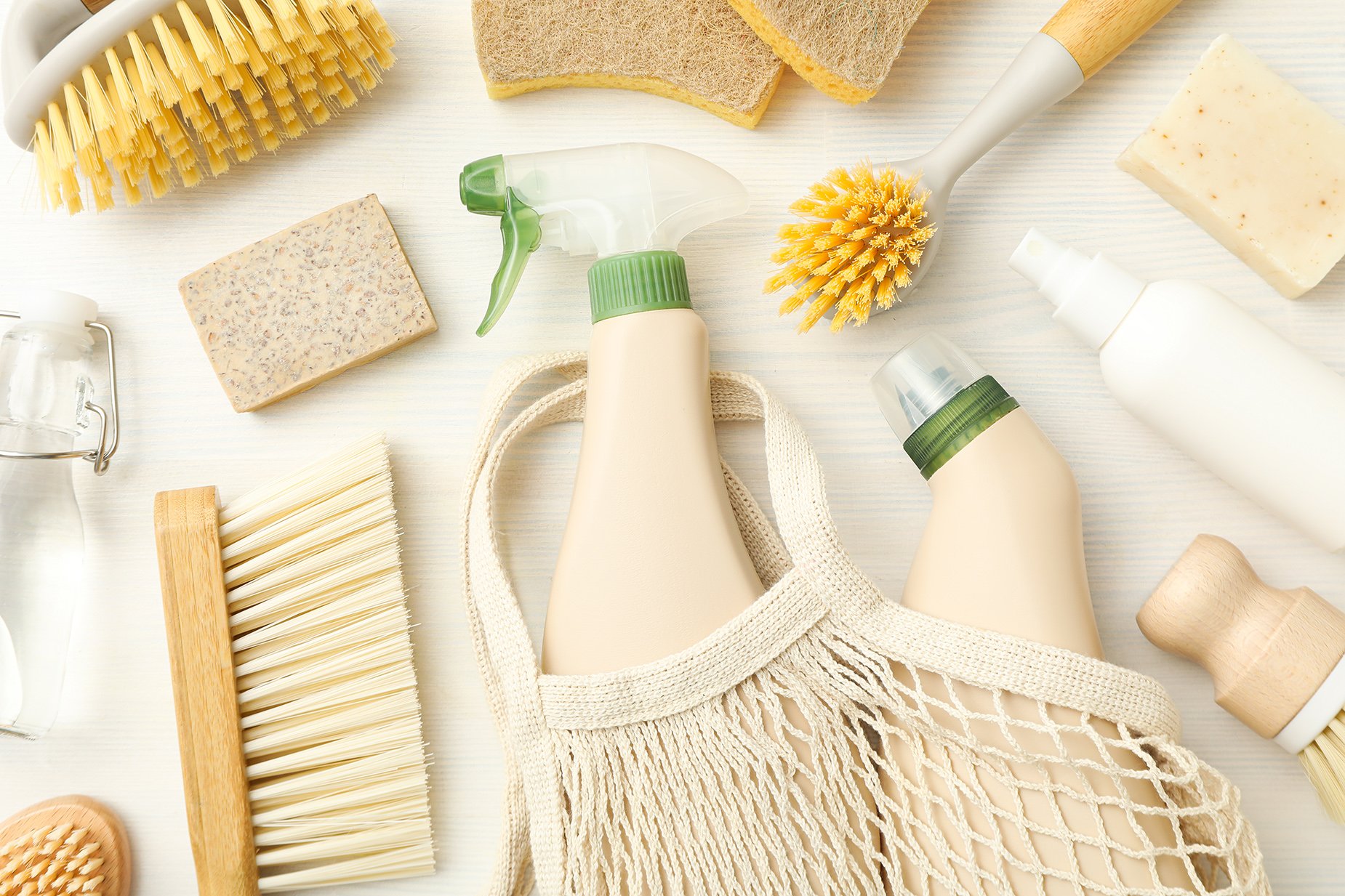
Exposure to various environmental factors can trigger an MCAS reaction. This can range from exposure to cleaning chemicals to the heavy vibrations felt on an airplane. It may seem “out there,” but someone with MCAS understands better than most, and it’s quite possible other people may think you’re having a panic attack, which is why the first diagnosis people suffering with MCAS get is either “anxiety” or “panic disorder.” This slows the diagnosis process and derails symptom remission. Some people aren’t properly diagnosed and therefore not properly treated, sometimes for decades — let that not be you!
First order: clean up your environment
While it’s impossible to control environments that are not your own, you can make your personal spaces as “free and clear” as possible.
The following suggestions are just that — suggestions. It is by no means a complete list. To help hit the “reset” button on your immune system, it’s imperative to clean up your environment and your diet. Once your symptoms are manageable, your provider will work with you to develop a long-term plan aimed at maintaining symptom remission.
REPLACE ALL CLEANING PRODUCTS WITH FREE-AND-CLEAR SOLUTIONS
Dish soap
Window & general cleansers
Hand soap
Laundry soap & dryer sheets
WASH OR AIR OUT ALL NEW ITEMS
Wash clothes, bedding, towels, and other items before first use
Avoid dry cleaning; if necessary, ask for scent-free solutions and allow items to air out before using
Allow new furniture, rugs, decorative pillows, and other items to air out before using
AVOID ROOM SCENTS
Fragranced plug-ins
Fragranced candles
Incense
Essential oils
Air fresheners
Room sprays
AVOID MOLD- & DUST-LIBERATING DECOR
Fresh/real Christmas trees, wreaths & garland
Consider blinds instead of drapes
Keep stuffed toys to a minimum and wash often (including children's and pet’s toys)
CHOOSE ECO-MINDED TOILETRIES & MAKE-UP
Avoid xylitol in products, including toothpaste
Choose organic cotton tampons and pads
Avoid parabens, fillers, chemical colorants, and additives
Choose recycled and/or non-bleached toilet paper and facial tissue
Choose organic cotton swabs and cotton balls
Avoid latex (e.g., gloves, adhesive bandages)
Choose unflavored and unwaxed toothfloss
AVOID PERFUMED PERSONAL CARE PRODUCTS
Perfume & aftershave
Body wash & soaps
Hair care products, including hair sprays
Nail polish, polish remover, acrylic gel, etc.
Hand sanitizers (gel & wipes)
AVOID LARGE-SCALE BEAUTY SALONS
Choose a stylist where you are the only client during your appointment time
Work with your stylist to reduce your risk
Ask ahead of time that they do not burn incense, light candles, or use an essential oil diffuser before your appointment (being their first client of the day may reduce your risk)
CHOOSE FILTRATION DEVICES
Water filters
Shower filters
Vacuums with HEPA filters
Air purifiers with HEPA filters
Wear a face mask in public places, including inside public transportation and rental cars (also consider wearing nitrile gloves)
MISCELLANEOUS
Vacuum and dust often (consider wearing a mask and gloves while cleaning)
Open windows weekly to allow a “blow out” through your home (unless you’re allergic to seasonal airborne substances)
Allow water to run for a couple of minutes before using the water from that particular faucet
Always wash your fruits and veggies before use
Properly remediate any mold issues in your home
Do not use products beyond their “best use by” dates (personal care products are typically 6 months after they’ve been opened, or by expiration date)
It is recommended to carry an “emergency bag” with you at all times. Consider adding the following items to your bag that you know are “safe”: face masks, nitrile gloves, bottled/filtered water, hand soap, any medications you take or may need (e.g., EPI pen, antihistamines, supplements), adhesive bandages, organic cotton tampons, etc.