
Mold: The Hidden Environmental Trigger
Have you ever felt like you’re doing everything right, but still not getting better? You’ve overhauled your diet, you’re managing your stress, and you’re taking your supplements, but the debilitating symptoms of Mast Cell Activation Syndrome (MCAS) persist. The brain fog, the fatigue, the strange rashes, the digestive upset—they’re all still there, a constant, unwelcome presence in your life. If this sounds familiar, you might be overlooking a hidden trigger, one that could be silently sabotaging your health from within the walls of your own home: mold.
It’s a frustrating and often isolating experience. When you’re so carefully controlling every variable you can think of, it can be maddening to feel like you’re still losing the battle. But what if the enemy isn’t just on your plate or in your mind, but in the very air you breathe? For a significant number of people with MCAS, exposure to mold and its toxic byproducts, known as mycotoxins, is a powerful and persistent trigger that keeps the inflammatory cascade in motion.
This article will explore the scientifically-backed connection between mold toxicity and MCAS. We’ll delve into how these microscopic fungi can provoke such a powerful reaction from your mast cells, why it creates a vicious cycle of chronic illness, and what practical steps you can take to address it.
The Fungal Threat: How Mold Activates Mast Cells
Mold is a type of fungus that is ubiquitous in our environment. It thrives in damp, warm, and humid conditions. When mold grows, it releases spores into the air, which we can then inhale. More insidiously, many species of mold also produce mycotoxins, which are toxic chemical compounds that can adhere to these spores and other dust particles, finding their way deep into our bodies.
Think of your mast cells as the hyper-vigilant frontline soldiers of your immune system. They are strategically located in the places where your body meets the outside world—your skin, your airways, and your digestive tract. Their job is to detect threats and sound the alarm. Research has shown that mast cells have specific receptors, such as Toll-like receptors (TLRs) and Dectin-1, that are designed to recognize the molecular patterns of fungi and their spores [1].
When these receptors are triggered by mold spores or mycotoxins, your mast cells do exactly what they’re programmed to do: they degranulate. They release a flood of powerful chemical mediators, including histamine, proteases, and pro-inflammatory cytokines [2]. In a healthy immune system, this is a protective response. But in someone with MCAS, this response is excessive and dysregulated, leading to a barrage of symptoms that can affect nearly every system in the body:
Neurological: Brain fog, headaches, fatigue, nausea, cognitive deficits, anxiety, and depression
Respiratory: Chronic sinusitis, coughing, bronchitis, and asthma-like symptoms
Dermatological: Rashes, hives, and itching
Gastrointestinal: Leaky gut, food intolerances, and digestive distress
One groundbreaking study found that the symptoms patients report after mold exposure are “indistinguishable from those caused by innate immune activation following bacterial or viral exposure” [4]. This validates the very real and systemic effects that so many experience, confirming that it’s not “all in your head.” The study even showed that both toxic and non-toxic mold elements could cause cognitive and emotional dysfunction by activating the immune system in the brain.
The Vicious Cycle of Mold and Immune Dysfunction
Mold exposure doesn’t just trigger a one-time reaction; it can lock the body into a vicious, self-perpetuating cycle of inflammation and immune dysregulation. This is especially true for individuals with a pre-existing condition like MCAS.
Research highlights that for those with a pre-existing immune dysregulation, mold and mycotoxin exposure is of “particular concern” because it can exacerbate the underlying condition [3]. Mycotoxins are not just triggers; they are immunotoxic, meaning they can directly damage and disrupt the normal function of the immune system. They have been shown to cause damage to mitochondria (the powerhouses of our cells) and the intestinal barrier, leading to increased gut permeability or “leaky gut.”
This creates a devastating feedback loop:
Exposure: You inhale mold spores and mycotoxins
Activation: Your already reactive mast cells degranulate, releasing inflammatory mediators
Damage: The mycotoxins and inflammatory mediators damage your gut lining and other tissues
Increased Sensitivity: A damaged gut barrier allows more mycotoxins and other triggers to enter your bloodstream, leading to even more mast cell activation
Immune Dysregulation: The chronic inflammation further dysregulates your immune system, making you even more sensitive to mold and other triggers
Breaking this cycle is essential for recovery, and it starts with removing the primary trigger: the mold exposure itself.
Practical Steps Toward a Mold-Free Environment
Addressing a potential mold issue can feel overwhelming, but taking a systematic approach can make it manageable. The key to mold control is moisture control.
Investigate: Start by looking for signs of water damage or mold. Musty smells are a major red flag. Check common problem areas like basements, crawl spaces, bathrooms, under sinks, and around windows. You may need to hire a qualified mold inspector to perform air sampling and identify hidden mold.
Control Humidity: Keep the humidity in your home below 50%. Use dehumidifiers and ensure your home is well-ventilated. Use exhaust fans in bathrooms and kitchens.
Fix Leaks Promptly: Any water intrusion, from a leaky roof to a dripping pipe, must be fixed and the area thoroughly dried within 24-48 hours to prevent mold growth.
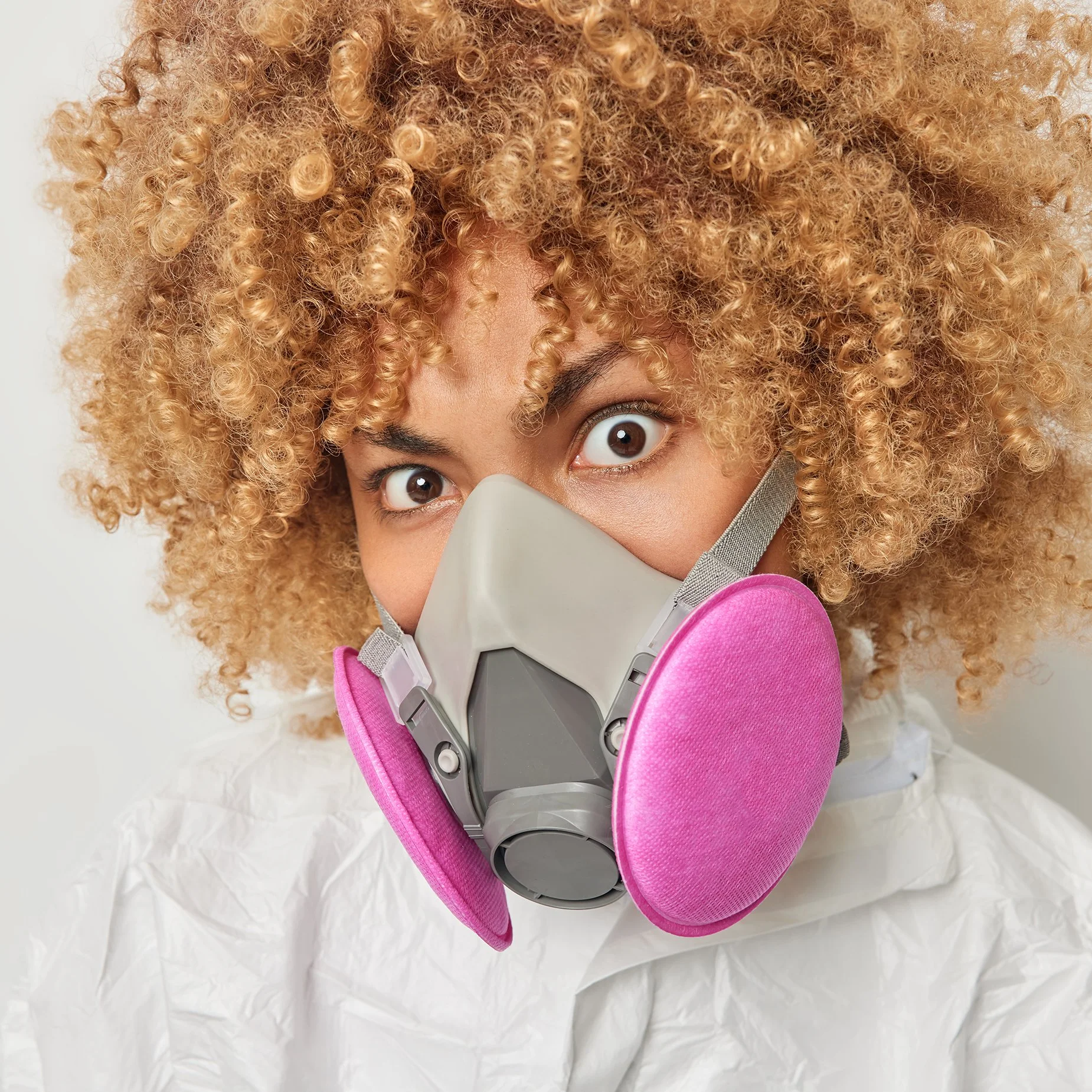
Remediate Safely: If mold is discovered, it must be properly remediated. For small areas, you may be able to handle it yourself with appropriate safety gear (N95 mask, gloves, goggles). For larger areas (more than 10 square feet), it is crucial to hire a professional mold remediation company. Improper removal can spread spores throughout your home, making the problem worse.
Does remediation actually work? A comprehensive Cochrane review—a gold standard in evidence-based medicine—concluded that there is moderate-quality evidence that mold remediation in homes decreases respiratory infections and asthma-related symptoms [5]. Removing the source of the problem can, and does, lead to significant health improvements.
Taking Back Control
The connection between mold and MCAS is a critical piece of the puzzle for many who suffer from chronic, unexplained symptoms. It’s a powerful, invisible stressor that can keep your immune system on high alert, no matter how perfect your diet or lifestyle is. If you suspect mold may be playing a role in your health issues, it is essential to investigate this possibility with the guidance of a knowledgeable healthcare provider—they may have access to DIY test kits to test your home for mold spores.
Validating your experience with science is empowering. Understanding the mechanisms at play can help you move from a place of frustration to one of proactive healing. By addressing the environment you live in, you can remove a major obstacle to your recovery and finally give your body the chance to calm down, repair, and find its way back to balance.
References
[1] Yu, M., Song, X., Liu, B., Luan, T., Liao, S., & Zhao, Z. (2021). The Emerging Role of Mast Cells in Response to Fungal Infection. Frontiers in Immunology, 12, 688659. https://doi.org/10.3389/fimmu.2021.688659
[2] Kritas, S. K., Gallenga, C. E., D'Ovidio, C., Ronconi, G., Caraffa, A., Toniato, E., Lauritano, D., & Conti, P. (2018). Impact of mold on mast cell-cytokine immune response. Journal of Biological Regulators and Homeostatic Agents, 32(4), 763–768.
[3] Kraft, S., Buchenauer, L., & Polte, T. (2021). Mold, Mycotoxins and a Dysregulated Immune System: A Combination of Concern?. International Journal of Molecular Sciences, 22(22), 12269. https://doi.org/10.3390/ijms222212269
[4] Harding, C. F., Pytte, C. L., Page, K. G., Ryberg, K. J., Normand, E., Remigio, G. J., DeStefano, R. A., Morris, D. B., Voronina, J., Lopez, A., Stalbow, L. A., & Williams, E. P. (2020). Mold inhalation causes innate immune activation, neural, cognitive and emotional dysfunction. Brain, Behavior, and Immunity, 87, 218–228. https://doi.org/10.1016/j.bbi.2019.11.006
[5] Sauni, R., Verbeek, J. H., Uitti, J., Jauhiainen, M., Kreiss, K., & Sigsgaard, T. (2015). Remediating buildings damaged by dampness and mould for preventing or reducing respiratory tract symptoms, infections and asthma. Cochrane Database of Systematic Reviews, (2), CD007897. https://doi.org/10.1002/14651858.CD007897.pub3
Disclaimer
This article is for informational purposes only and is not intended as a substitute for professional medical advice, diagnosis, or treatment. Always seek the advice of your physician or other qualified health provider with any questions you may have regarding a medical condition.